Single / Post
- Posted Date:
- Jan 27, 2023
- Category:
How Brand Archetypes Help You Reach Your Customers
When you start watching a film, you immediately try to work out who's who and what role they play. Who is the hero, who is the villain, and who will save the day at the last moment? Sometimes it's clear from the start; sometimes you don't know until the final scene. In a film, that mystery works in its favour. In business, failing to define your brand's role clearly is a serious mistake.
Take the adverts for Żubr, a Polish beer named after the European bison. Few Poles switch channels when they come on, and they were declared cult classics years ago. Why? These short spots hit the Polish sense of humour and the national fondness for tradition perfectly. Huge bison walk in single file through the forest while a voice explains, with a straight face, that in the evening one bison follows another. The Żubr occasionally stands up to a bear, but it is never bored, especially when it is playing with water lilies on a lake deep in the forest.
Poles respond to these adverts because they touch something in the national (sub)consciousness: pride in tradition and in the beauty of the country. And since celebrating good things with a beer is part of that tradition too, the themes fit together well. Another Polish brewery, Żywiec, does something similar with a slogan built around the idea that life is there to be enjoyed. Why do we believe some brands instantly and know exactly what they stand for? That's what this article is about.
Conscious or unconscious choices?
How likely is it that a brand archetype quietly influenced your last purchase, the course you chose or the person you hired for a job? If you never let a company's image affect what you buy, you belong to a 5% minority. Research and behavioural studies show that brand archetypes influence almost all consumers. According to Gerald Zaltman of Harvard Business School, 95% of purchasing decisions are made subconsciously. A well-defined archetype, used consistently, is one of the most powerful ways a brand can reach that part of the mind. And that isn't a bad thing!
What is a brand archetype?
Brand archetypes are simply the human character traits that best reflect a brand. The brands we feel most attached to, such as IKEA, Red Bull, National Geographic or the Polish chocolate maker Wedel, express clear patterns of behaviour that run through their whole brand: visual design, messaging, tone of voice, products and services.
Archetypes are nothing new. They are as old as storytelling itself, and because we love stories, they affect us deeply. Carl Jung, who developed the archetype as a psychological concept, believed we are born with the same instincts and an unconscious understanding of patterns of behaviour. We recognise them the moment we see them, which is why they play such a big role in shaping how we act.
That's how archetypes became templates for timeless characters everyone knows. Whether you're watching a hero's epic journey (Frodo Baggins), an outlaw rebelling against authority (Robin Hood) or a fight against a monster (Arya in Game of Thrones), you understand the characters instinctively.
Why identify your brand's archetype?
I hope you're now thinking about how you see the brands around you. Now leave your comfortable seat in the audience, step onto the stage and look at your own brand and how well its message reaches people. With so much competition in almost every industry, only brands that connect with customers on a human level win loyal fans. But this isn't about mirroring your audience's personality or bending yourself to fit a target group. It's about finding a way to reach the customers who share the values that matter to you. Then customers believe your message is genuine, and you know you're doing what really matters to you.
A brand can work with several archetypes. That's true of mine: in my work with people I'm a Sage, a Magician and a Caregiver, but with clients I'm often a Jester too. More on that later.
The role of brand archetypes in marketing
Used well, brand archetypes help you build a natural bond with your target audience and stand out from other brands. Giving your company a personality doesn't just improve its image; it lets you make real, and above all natural, contact with people. Put simply, your audience starts to feel something for you.
The first challenge, of course, is reaching the right audience, and what you say must be clear to them and rooted in shared values. Defining your archetypes tells you which emotions to evoke, what language to use and what stories to tell. Have you ever wondered why some adverts speak to you instantly while you can't stand others? Interestingly, your partner or friends may not feel the same. Once you know the brand archetypes, it all makes sense.
The 12 brand archetypes
We love hearing and telling stories. Stories can change us, entertain us, warn us or teach us, because narrative, characters and setting make it easier for our minds to link information with emotion. You learn most when learning is enjoyable, though you may also cry, feel anxious or get angry; the result is the same: a strong learning experience. Because our minds are wired to remember stories, this ability is used both in education (I recommend watching films in English) and in marketing. A brand can choose one archetype or combine traits from several while keeping a consistent message.
Here are the 12 brand archetypes:
1. The Innocent
If you're an optimist with a positive outlook who likes the people around you to be happy, the Innocent will speak to you. You enjoy the idyll of Christmas adverts, and pictures of a smiling family sipping Coca-Cola over dinner make you feel calm. You may even catch yourself thinking you could feel that way too, if you just popped into the shop. No wonder: the people in Innocent adverts are patient, don't hold grudges and see beauty in everything.
Customers of Innocent brands value simple solutions, so avoid jargon and long explanations of ingredients and features. Just be clear and honest, like the Polish painkiller brand Apap with its slogan promising that the pain is simply gone.
- Core desire: safety.
- Branding style: positivity, feel-good messages, healthy values.
- Ideal industries: personal care, beauty, natural and organic products, food.
- Example brands: Dove, Haribo, Gerber.
2. The Rebel (the Outlaw)
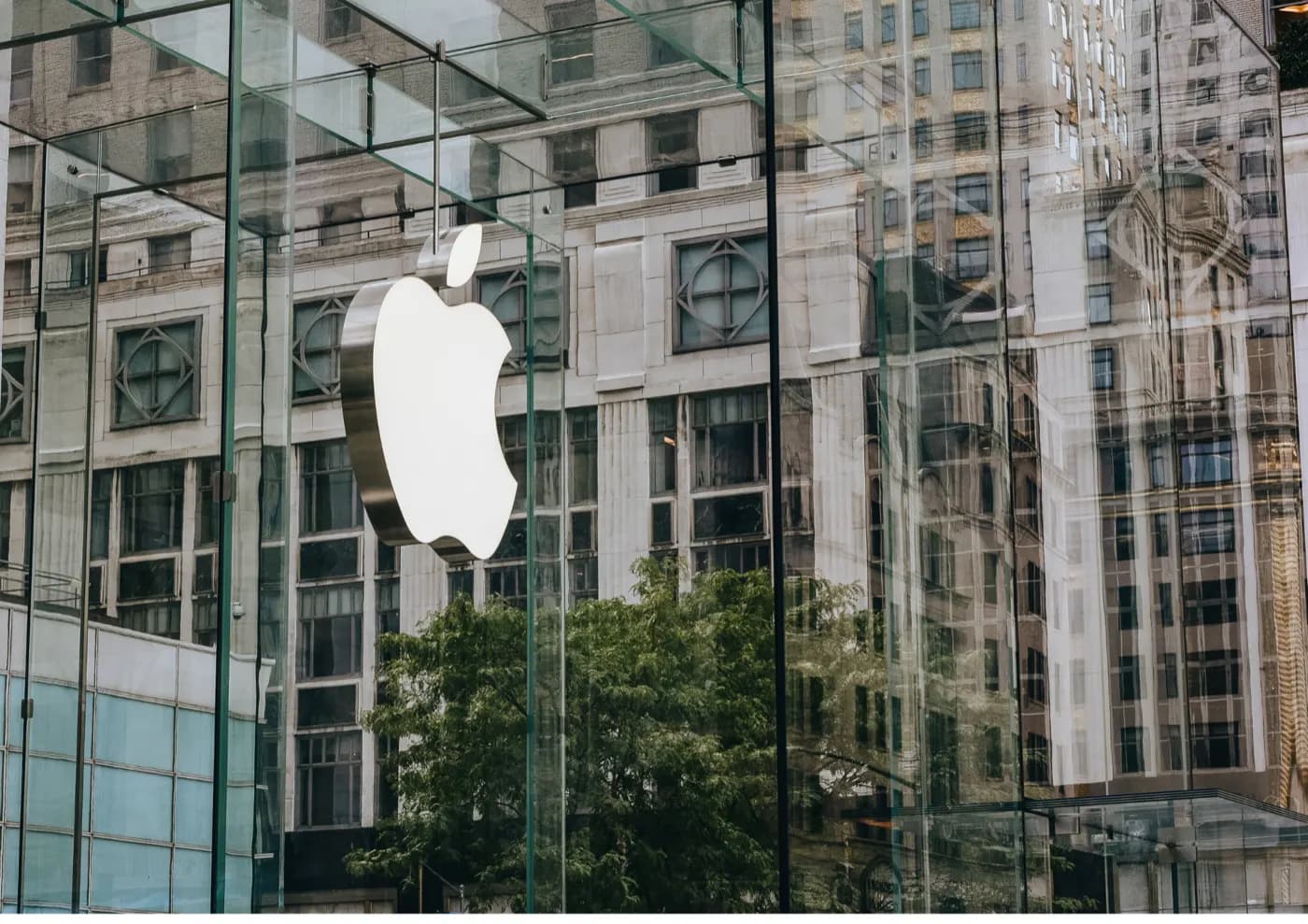
The Rebel heralds change. A rebel with a cause, they ignore established rules and disregard authority and anything that threatens their own, or anyone else's, freedom to choose. Rebels are good at heart, even though anger is often what drives them. A Rebel brand focuses on presenting its product as revolutionary and unique. Look at how Apple uses this archetype: the bitten apple and the slogan "Think different".
How strong is the Rebel's pull? Very strong, judging by the queues for new Apple models even when the old ones still work perfectly.
- Core desire: liberation.
- Branding style: challenging the rules; messages meant to disrupt or even shock.
- Ideal industries: body art, motoring, alternative fashion.
- Example brands: Harley-Davidson, Dr. Martens, Desigual.
3. The Creator
The Creator is a master of imagination and self-expression who needs to make something unique and lasting. Aesthetics and design matter; so does bringing ideas to life. The Creator believes that if we can imagine something, we can make it. Look at LEGO: it doesn't present itself as a toy maker but as a way to develop children's creativity.
This archetype speaks to you if you're not a fan of traditional advertising, average products and the usual features. You like brands that keep experimenting with new solutions, products and designs and focus on giving people remarkable experiences.
- Core desire: innovation and self-expression.
- Branding style: unleashing imagination, striving for originality.
- Ideal industries: art, crafts, design, IT, marketing.
- Example brands: LEGO, Pinterest, Adobe.
4. The Magician
This is one of the archetypes I relate to most, because I identify with it. It speaks to you too if you value positive transformation: the kind where dreams come true and we experience magical moments. Magicians are seen as good advisers and thinkers. They are clever, charismatic and dynamic, and they can make your dream come true, whether that's escaping stress (a spa), changing how you look (L'Oréal) or gaining new professional skills (an English course).
- Core desire: power, making dreams come true.
- Branding style: wonder, mysticism, transformation.
- Ideal industries: beauty, aesthetic medicine, entertainment, relaxation, health and wellbeing.
- Example brands: Walt Disney, DreamWorks, L'Oréal, Tesla.
5. The Hero
Is there anyone here who isn't drawn to a hero and saviour? I thought not. When we watch a film, most of us root for the one person who can save the world from aliens or a giant lizard attacking one of the world's biggest cities. The Hero is brave and determined, triumphs over adversity and isn't afraid of hard work. The Hero inspires. Notice how outdoor brands use this archetype (The North Face: "Never Stop Exploring"), along with survival gear makers and some supplements. Sprite's Polish slogan, which roughly says "I'm Sprite, you're thirst", is pure Hero: you know at once that thirst doesn't stand a chance.
A Hero brand's biggest asset is inspiring slogans ("Just do it") and content that reflects customers' ambitions and pushes them to act ("Impossible is nothing"). The archetype draws on high achievers, especially athletes who become the face of a brand: Asics with Iga Świątek, Nike with Cristiano Ronaldo and Serena Williams.
- Core desire: mastery.
- Branding style: being stronger and better.
- Ideal industries: sportswear, outdoor clothing, sports equipment, sales.
- Example brands: Under Armour, Gatorade, Nike.
6. The Caregiver
The Caregiver wants to protect and look after others, especially those in need. This archetype is often a motherly figure who takes people under their wing until they're strong enough to look after themselves. A warm, almost maternal approach creates a sense of safety. It suits the brand voice of companies selling products for newborns, personal development ("I'll guide you step by step"), new skills and food (the Polish brand Delecta's slogan says its products come "straight from the heart"). Banks and other institutions we choose because we trust them also like to use it.
- Core desire: serving others, caring for those who are weaker.
- Branding style: others' needs come first; everything is done for the greater good.
- Ideal industries: healthcare, education, non-profits, baby products.
- Example brands: UNICEF, Pampers, the Polish skincare brand Soraya, WWF.
7. The Explorer (the Seeker)
The Explorer feels a need to go beyond the comfort of everyday life, usually into a harsh environment. Brave and adventurous, Explorers love challenges, though for them the challenge is more about understanding themselves than proving their worth to others.
If you choose the Explorer, present nature and the unknown as a land of freedom and encourage your audience to discover it, with your brand, of course. People drawn to this archetype don't want to be buried in information; they want to set off on a journey, ideally in an unusual, adventurous way, for example on the wings Red Bull promises to give them.
- Core desire: freedom, new experiences.
- Branding style: celebrating exploration and adventure.
- Ideal industries: off-road vehicles, adventure travel, outdoor clothing and gear.
- Example brands: Harley-Davidson, Jeep, NASA.
8. The Lover
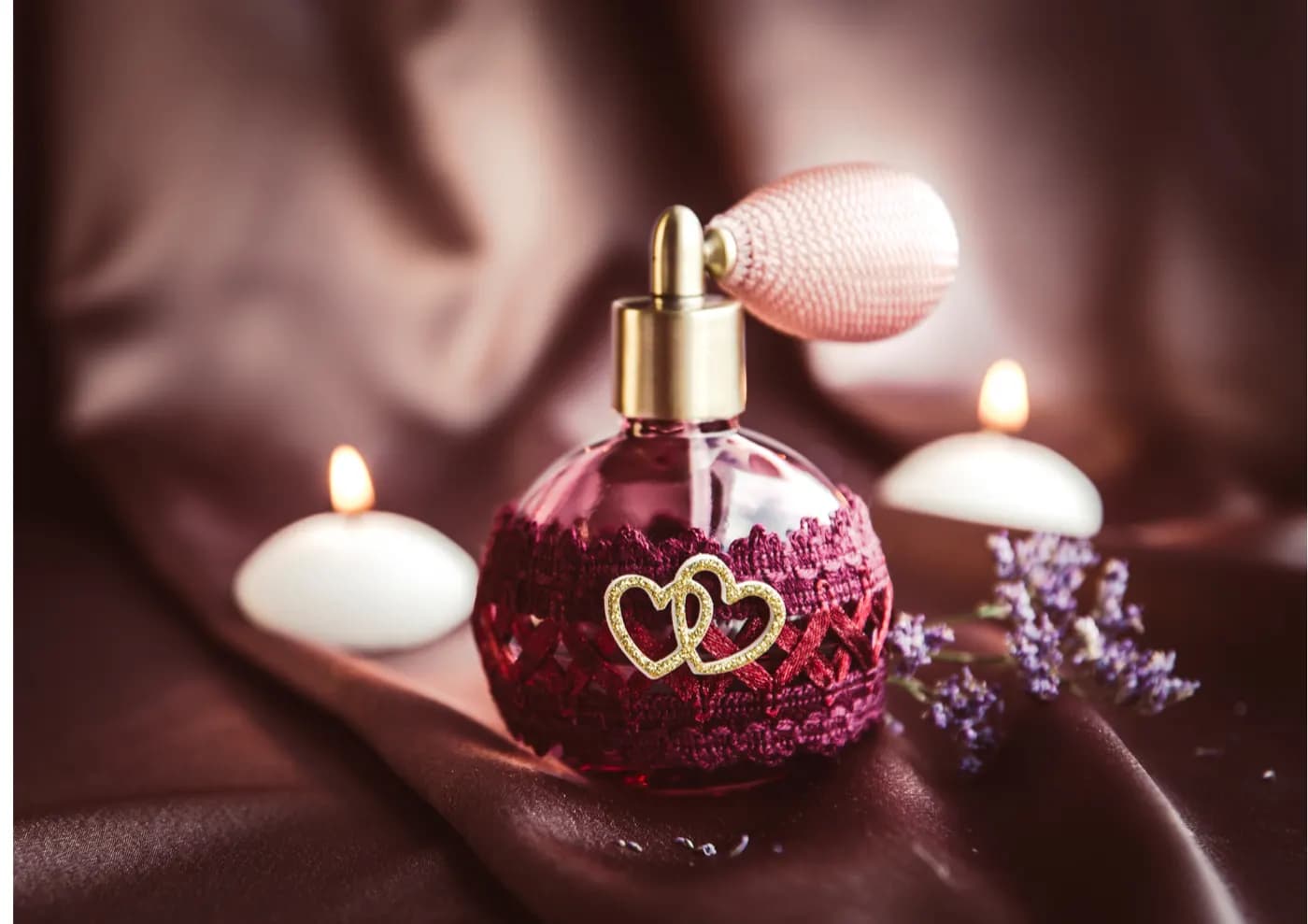
The Lover is devoted to beauty and loves to experience pleasure in every sense. They value sensuality and want to be desired, so they are motivated to become more attractive, physically and emotionally. A Lover brand sends messages that make customers feel cared for and loved, not only by others but by themselves. These brands usually appeal to pleasure through the senses: sight, sound, smell or touch.
- Core desire: intimacy, closeness, tenderness.
- Branding style: celebrating beauty and uniqueness.
- Ideal industries: perfume, cosmetics, wine, jewellery, luxury food.
- Example brands: the Polish jeweller Apart, Wedel, Dior, Chanel.
9. The Sage
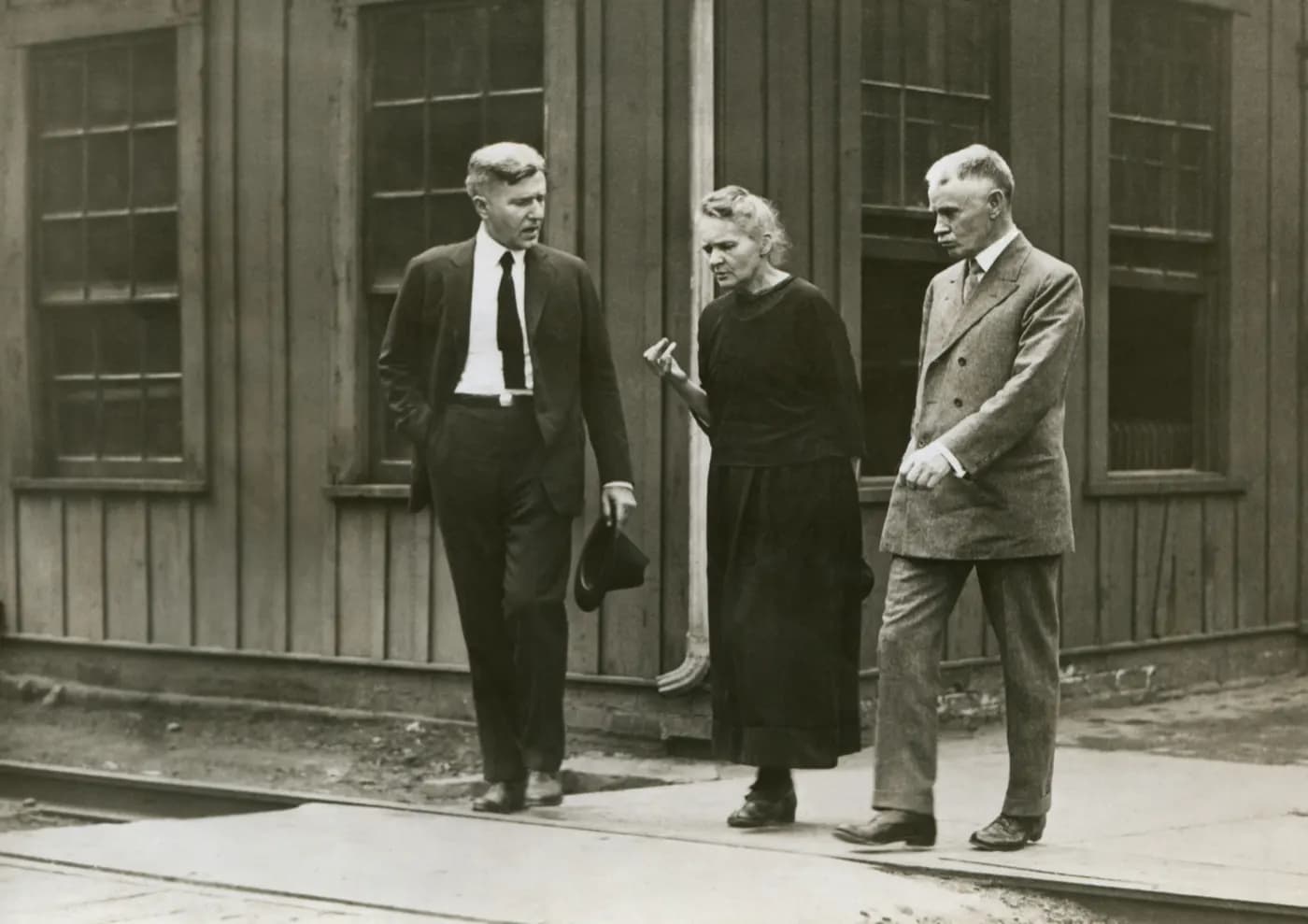
The Sage has one overriding goal: to help the world become wiser. This archetype speaks to me because the Sage is a mentor and adviser who encourages people to discover their inner Marie Skłodowska-Curie, winner of Nobel Prizes in both physics and chemistry and the first woman to become a professor at the Sorbonne in Paris. The Sage is factual and uses advanced, expert vocabulary. Their aim is to pass on wisdom so that others can use it to change their lives for the better.
- Core desire: understanding the world through knowledge.
- Branding style: lifelong learning.
- Ideal industries: consulting, universities, research foundations, IT.
- Example brands: Harvard, TED, Google, BBC News.
10. The Jester (the Fool)
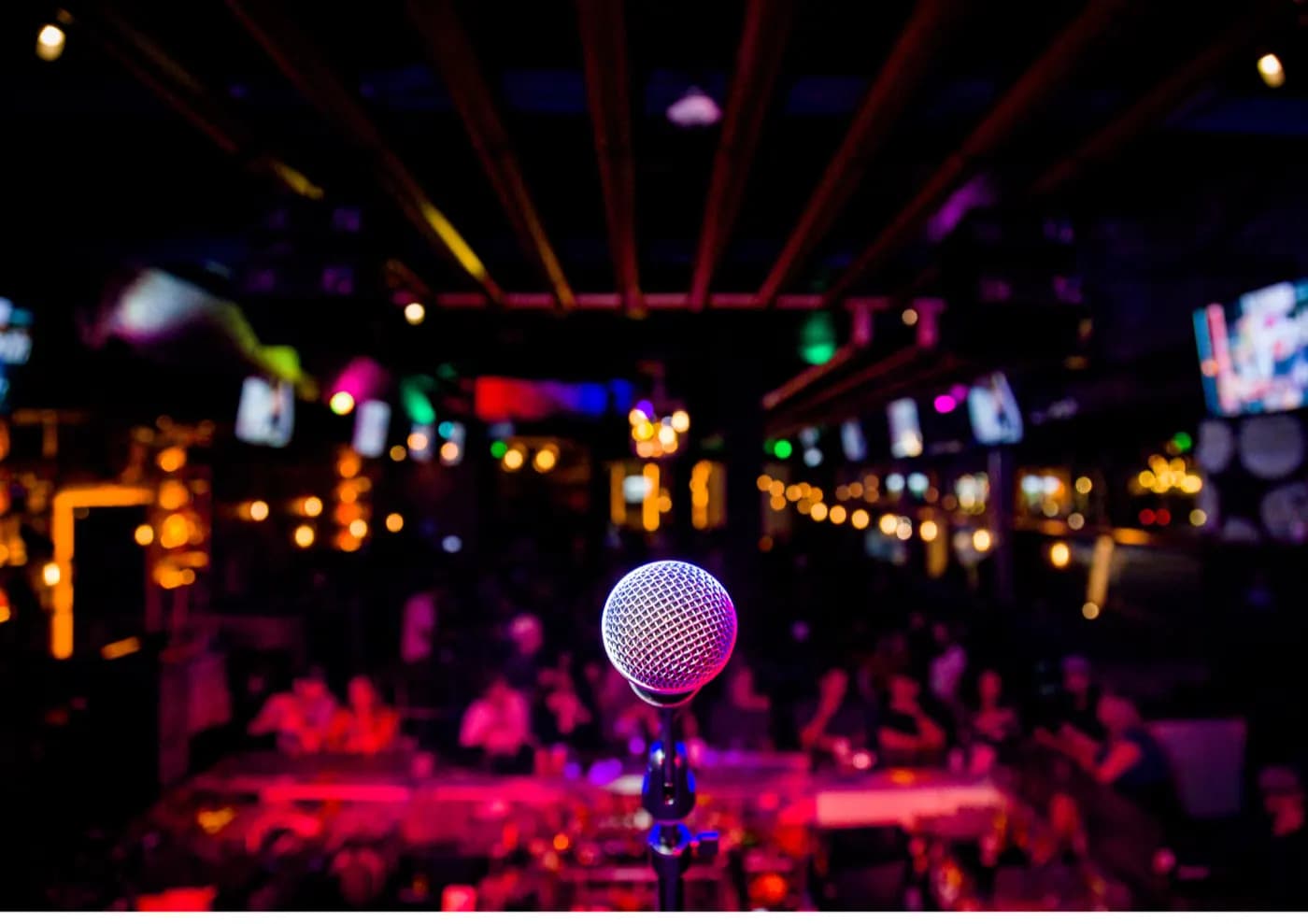
The Jester lives for fun and the moment. Not only do they love having a good time, they see it as their job to cheer everyone up. The Jester often mocks convention with wit and humour, as Żywiec does with its playful one-letter slogans. They like to stand out and often shed their inhibitions to do it. It's an ideal archetype for entertainment brands or brands that want to be linked with good times. The Jester celebrates the carefree, positive side of life, because everyone likes to laugh. A typical Polish example is the cosmetics brand LaQ, known for its funny product descriptions (one shower gel is sold as "very wild").
- Core desire: pleasure and fun.
- Branding style: humour, promoting good times.
- Ideal industries: children's entertainment, beer brands, sweets.
- Example brands: LaQ, Nickelodeon, Żywiec, M&M's.
11. The Everyman

The Everyman wants to belong. They blend into society and don't like to stand out from the crowd. They are friendly and easy to talk to. This archetype works best for everyday products that are affordable and easy to get. Everyman solutions are friendly and practical.
- Core desire: belonging.
- Branding style: building a friendly community where it's easy to fit in with shared basic values.
- Ideal industries: home, family life, everyday clothing, food.
- Example brands: chain stores such as Gap, the Polish marketplace Allegro, IKEA.
12. The Ruler
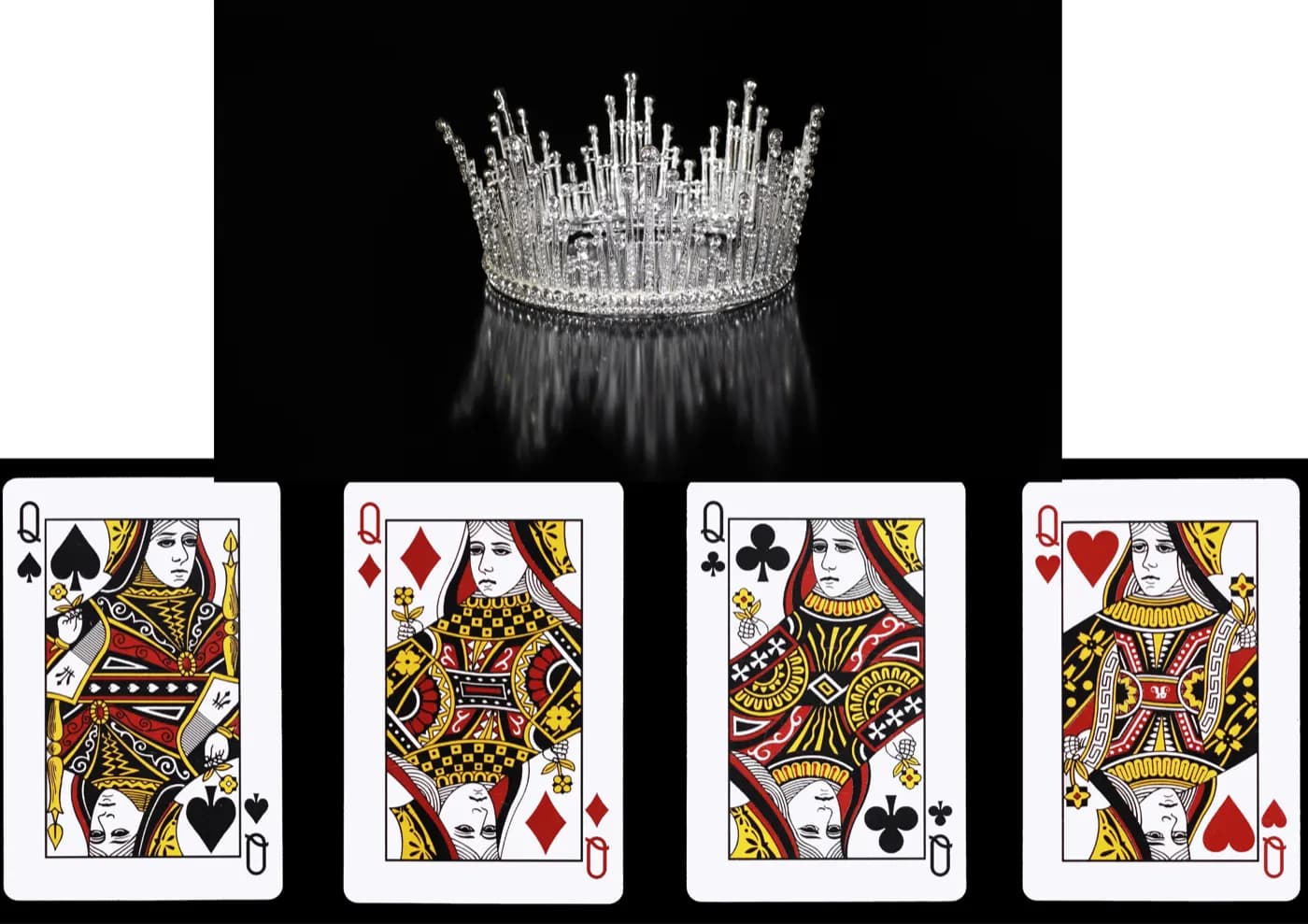
The Ruler is a dominant personality who wants control. Focused on success, they promise prosperity to those who follow their rules. They are confident yet disciplined, and they feel they belong to an exclusive club, which is why their products and services are prestigious. The Ruler presents itself as the leader of its industry, so its quality has to be high.
Appealing to the masses isn't for the Ruler; it would actually put them off. A Ruler brand must keep reassuring its customers that they are at the top of the ladder and part of an exclusive club.
- Core desire: control and stability.
- Branding style: showing leadership, prestige and class.
- Ideal industries: finance, hotels, luxury products and services, premium brands, formal wear.
- Example brands: Rolex, Versace, Rolls-Royce, Mercedes-Benz.
My brand archetypes
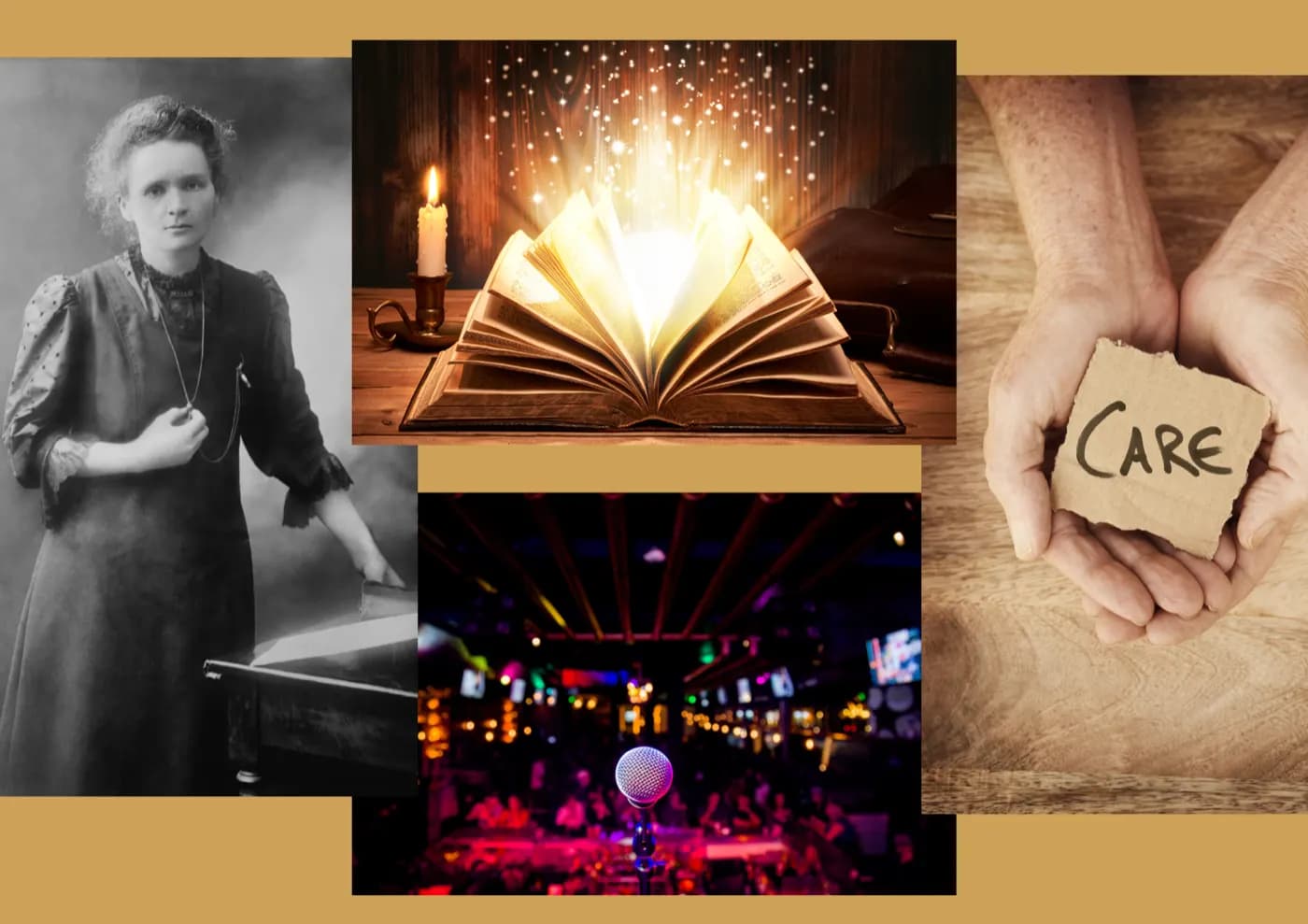
When I started my business, I was tilting at windmills. I thought that to succeed I had to speak to everyone, because that way I'd reach the most people. I didn't know, or rather didn't believe, that my personal brand needed an avatar: a specific picture of the person my services are for.
Eventually I realised that the people who come to me have particular learning needs. Today my brand works with four archetypes:
- The Sage lets me be an adviser and mentor as a language coach. I love learning myself and I value it in others. I believe knowledge helps change lives for the better. I also know that growth is often hard, so I put all my experience into teaching, and I treat my clients' successes as my own.
- The Magician shows that I'm a dreamer who believes anything can happen if we really want it. I love seeing my clients transform. It inspires me and makes me happy when they spread their wings, speak up boldly and hold confident discussions in English. I can honestly say I solve their problems and help their dreams come true.
- I like to share knowledge and experience in an engaging way, so sometimes the Jester comes out. Dull, textbook-only learning isn't for me. My sessions are full of humour, warmth and joy, because we learn best when learning comes with positive emotions!
- There's a lot of the Caregiver in me too. It shows in wanting to help my clients with every problem they mention. I analyse each situation carefully and look for every risk I can protect them from, using my experience and the lessons I've learned from my own failures.
How do you define your brand archetypes?
Look through the archetypes above and think about which might suit your company best. Then:
- Study the best examples of brands that use archetypes well. Do you identify with any of them? Which archetype is closest to your company?
- Analyse your company's image carefully, along with how your customers interact with it, think about it and feel about it, to find the most fitting and convincing archetype.
- Read about the archetypes again and ask which one describes you best and can help you build a convincing archetype for your brand.
No archetype is automatically "better" than the others. What matters is choosing the archetype, or archetypes, most in line with your company's values and mission. And be sure of this: if you suddenly adopt an archetype that forces you and your brand to behave completely differently from before, your audience will notice quickly and see it as nothing more than a shameless marketing trick.
To define your brand archetype, gather everything about your company's values, goals and mission. Focus on your products and services and on your audience. Most important of all is defining your brand's personality, because that tells you which archetype describes it. Talk to your customers, and compare what you learn with what you want to say through your brand voice.
Bibliography
- Tiina Hautala, Vesa Routamaa, Archetypes and Types. University of Vaasa, Department of Management. Psychological Type and Culture, East and West: A Multicultural Research Conference, Honolulu, Hawaii, January 4 to 6, 2008.
- Iwona Benenowska, Żubr ciekawy z natury...? Charakterystyka cyklu reklam (na wybranych przykładach). Kazimierz Wielki University in Bydgoszcz, 2013.
- Omar Merlo, Andreas B. Eisingerich, Richard Gillingwater, Jia Jocelyn Cao, Exploring the changing role of brand archetypes in customer-brand relationships: Why try to be a hero when your brand can be more? Business Horizons, 9 November 2022.
- Samantha Marie Johnson, Can We All Be a Hero? Differentiating Your Brand's Archetype. University of Minnesota, M.A. Strategic Communication, Capstone Project, June 30, 2016.