Single / Post
- Posted Date:
- Oct 26, 2022
- Category:
War and the Military: How to Discuss It in English
Why this topic?
War has been part of human history for a long time, and it is still with us today. We often follow current events through newspapers and international media, and much of what we read is in English, one of the world's main languages. This lesson introduces the vocabulary you need to understand articles about war and the military online and in the press.
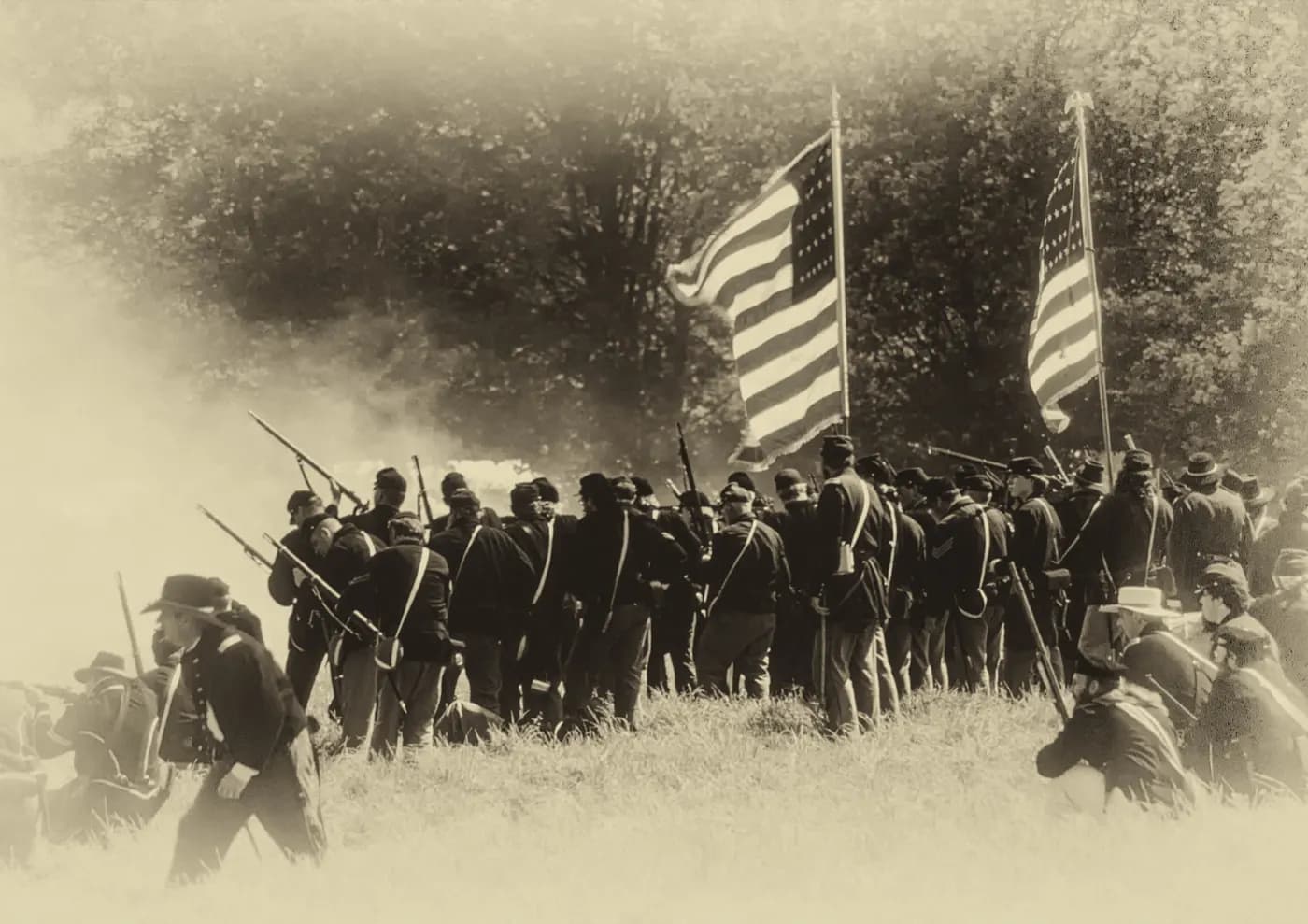
Because my coaching clients often ask for this kind of topic, I chose the four-year American Civil War. The war in Ukraine is close to my heart, but because it is everywhere and deeply personal, I decided not to refer to it directly here. So let's focus on a war that began in 1861: a war that did not split the United States apart, and that became a symbol of the abolition of slavery and the start of rapid capitalist growth.
Then and now
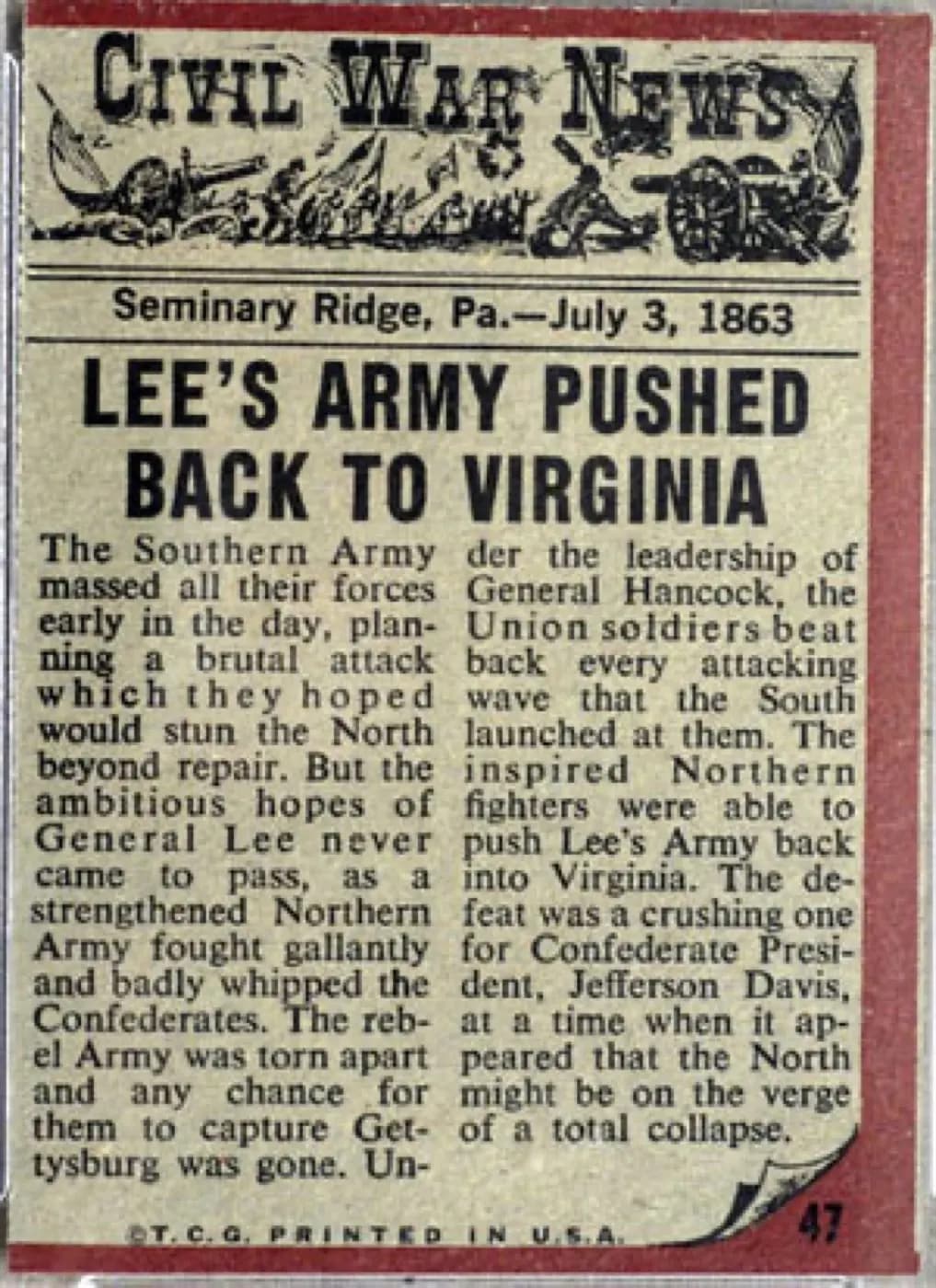
Today we can read about war online, but traditionally newspapers were the main source of news about the world. Look at the newspaper cutting about the American Civil War below, then read the conversation between a student and a history lecturer about it.
History class: Anna and her lecturer
Recording: the history class
Lecturer: Does anyone know when the Civil War started?
Anna: Yes, it started in 1861 and lasted until 1865.
Lecturer: Exactly! What caused the war?
Anna: One of the main causes was slavery.
Lecturer: Yes. And who were the belligerents?
Anna: The Union, the Northern states, and the Confederacy, the Southern states.
Lecturer: Precisely. Now let's look at this newspaper from 1863. What happened in the morning?
Anna: The Southern army massed all its forces, planning a brutal attack on the Northern army.
Lecturer: Perfect answer. What did they hope to accomplish?
Anna: They hoped to stun the Northern forces beyond repair.
Lecturer: What happened next?
Anna: They didn't win the battle, because the North badly whipped the Confederates.
Lecturer: Who was General Lee?
Anna: He was a Confederate general during the American Civil War.
Lecturer: We read that the rebel army was torn apart. Did they manage to fight back?
Anna: No, they had no chance of capturing Gettysburg, which was their goal. Every attacking wave from the South was beaten back by the North.
Lecturer: And in the end, what happened to the Southern forces?
Anna: The North pushed them back to Virginia. It was a clear defeat for the Southern army.
Anna: It was truly crushing for the Confederate president, because they had thought the North was on the verge of collapse.
Lecturer: Thank you for those brilliant answers! Moving on…
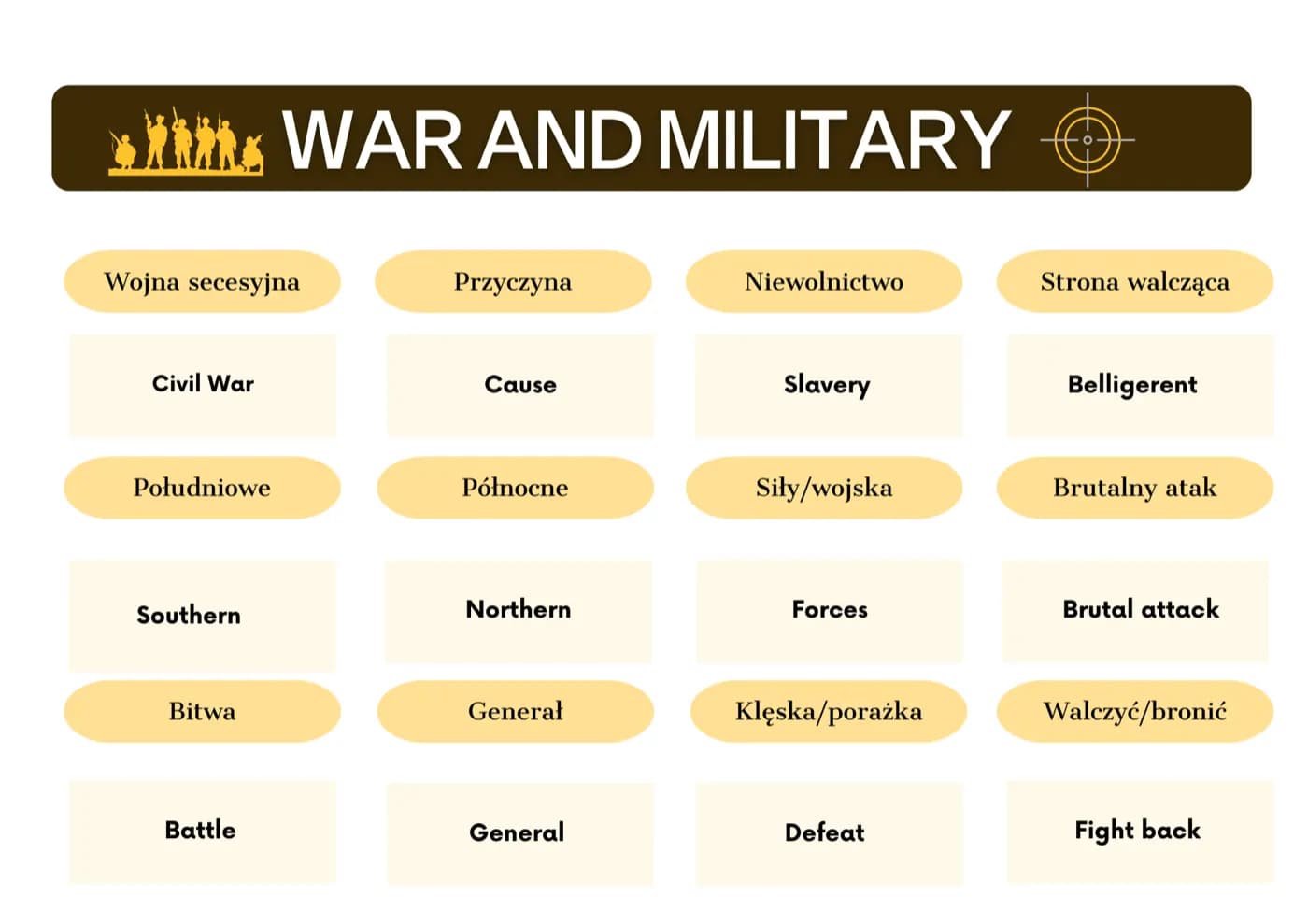
Exercise 1
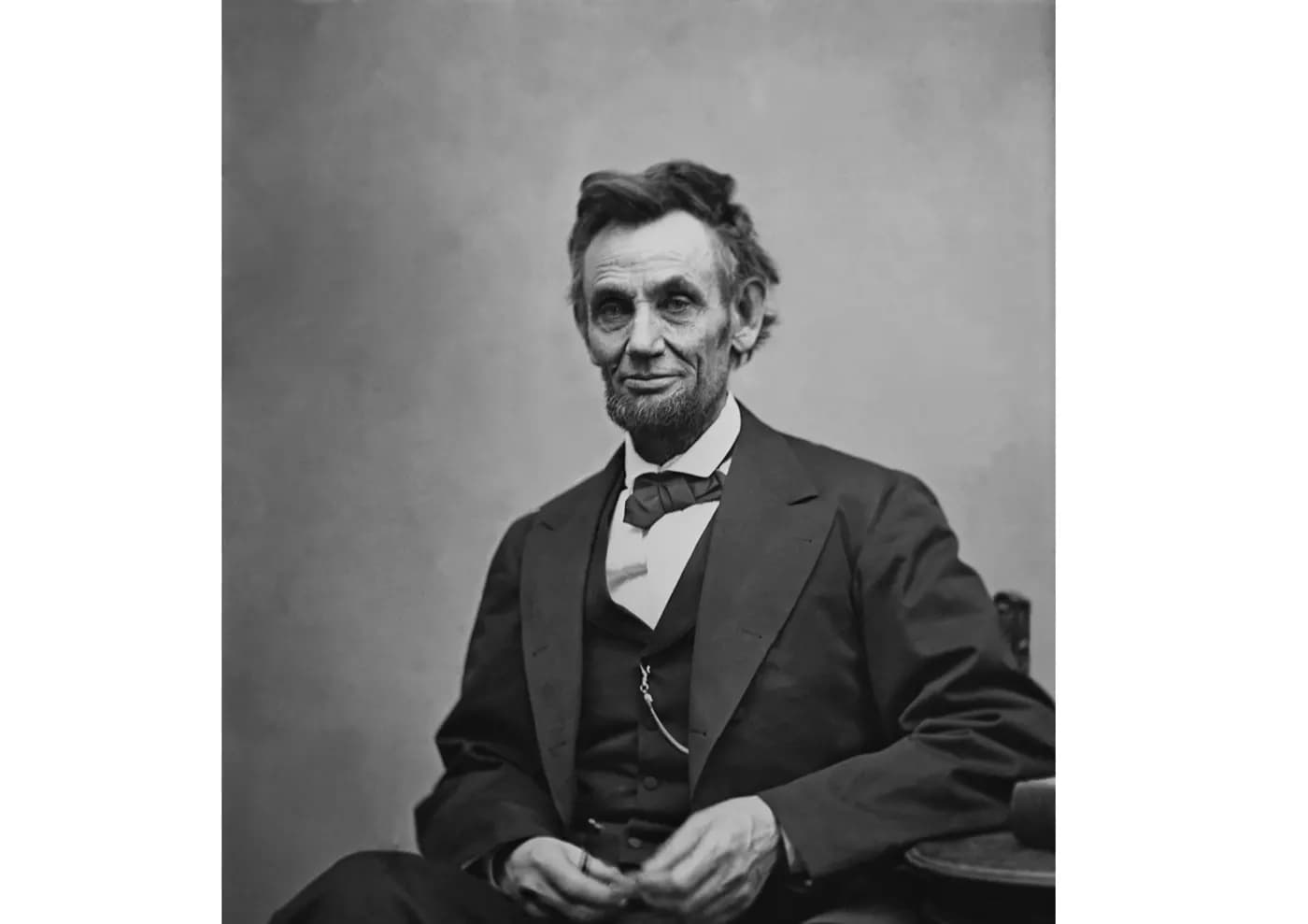
Read this quotation about the American Civil War. What attitude to the war does Abraham Lincoln, the former US president, show?
“ If there is a worse place than Hell, I am in it. “
Abraham Lincoln
A soldier's daily routine
Now let's look at war from a soldier's point of view. How are soldiers trained? What does their typical routine look like? Look at a typical day for an American soldier.
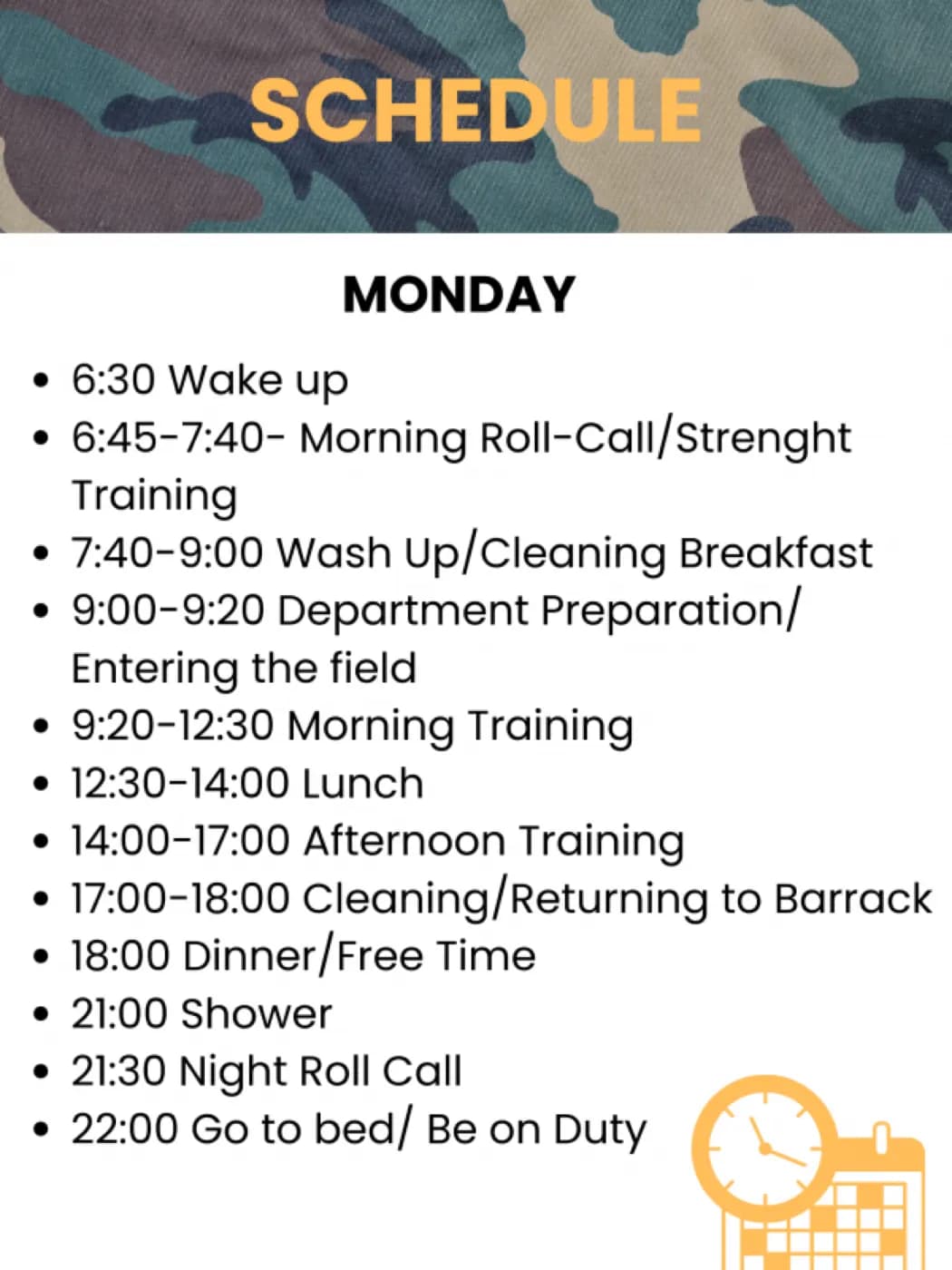
We use the Present Simple to describe routines and general facts about our lives. Listen to the conversation between a reporter and a US Army soldier.
Recording: a soldier's daily routine
Transcript
Reporter: On today's show we have an interesting guest. He has been serving in the US Army for the last few years, and he's here to tell us about his daily routine in the military. Welcome! Can you tell us how you start your day?
Soldier: I wake up at 6 a.m. so I have time for my morning coffee. Then we all have morning roll call, and after that we have time to shower and have breakfast.
Reporter: What do you usually eat for breakfast?
Soldier: Scrambled eggs, some juice, and sausage or bacon.
Reporter: What do you do next?
Soldier: Later we have department preparation and go out into the field. At 9:20 we start our morning training. It lasts around three hours and often includes exercises like jumping jacks, mountain climbers, sit-ups and push-ups. We run a few miles too.
Reporter: Sounds exhausting!
Soldier: Yes, sometimes it's hard, especially if you don't get enough sleep. But after a long training session we have lunch and a short break.
Reporter: So what do you do in the afternoon?
Soldier: We have more training. Then we have to clean up before going back to the barracks. In the evening we have dinner and finally some free time.
Reporter: What do you usually do in your free time?
Soldier: I sometimes read a book or play games.
Reporter: Is that all your duties on a typical day?
Soldier: From time to time we have night duty. That's what I meant earlier: it isn't that hard if you sleep well, but after night duty you'll probably be tired the next day. That's why we swap duties with each other.
Reporter: If you don't have night duty, when do you go to sleep?
Soldier: We shower around nine and go to bed at ten.
Reporter: Thank you so much for joining us today. That was a typical day in a soldier's life. If you want to hear more stories, you can watch them on our website. Until next time!
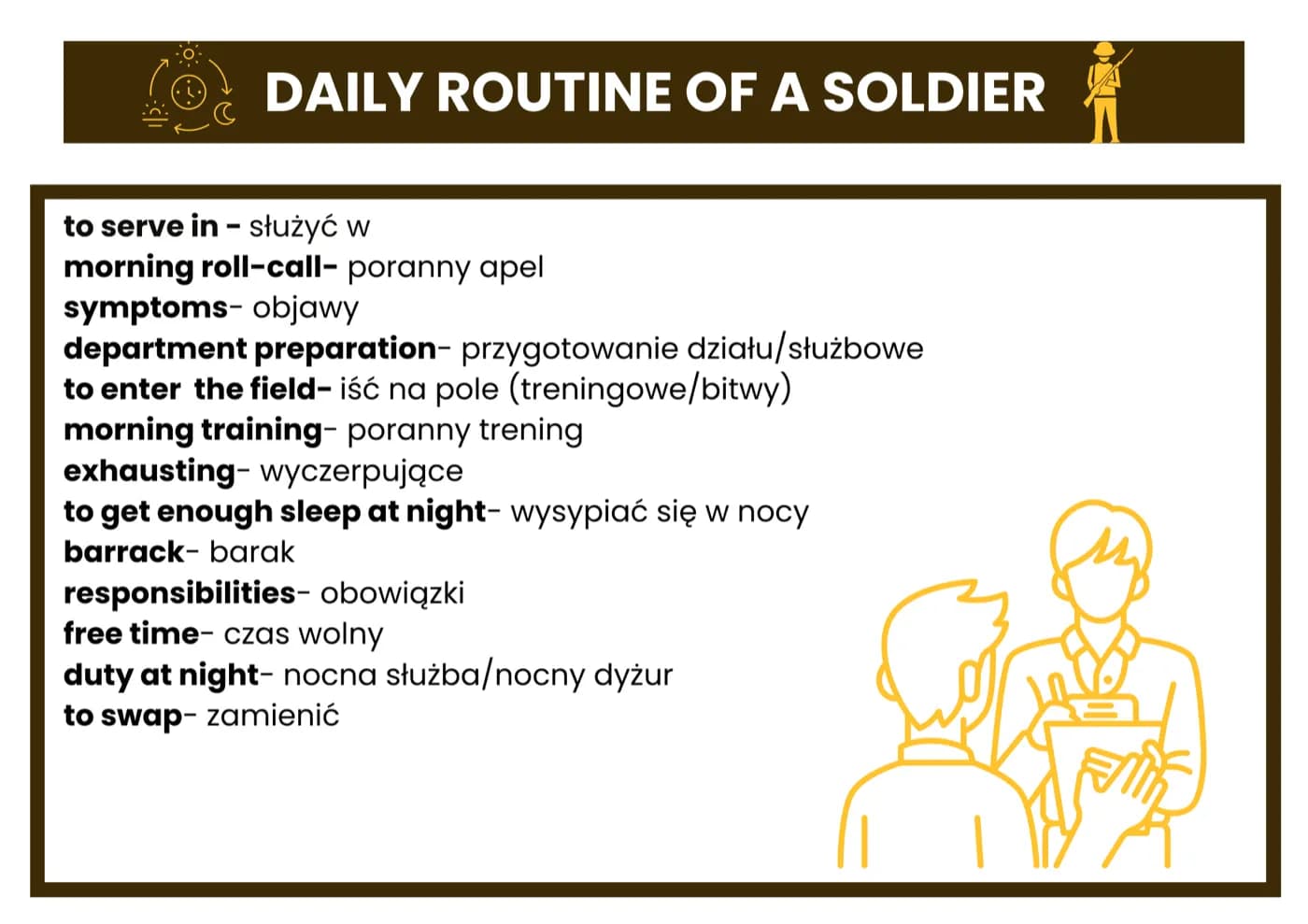
Exercise 2
Complete the sentences in the Present Simple.
- I ……………… (wake up) at 6 a.m.
- She ……………… (ask) about his daily routine.
- What ……………… (he / usually / have) for breakfast?
- What ……………… (you / do) in the afternoon?
- We ……………… (sometimes / have) a duty.
- He ……………… (have) training in the morning.
- When ……………… (you / go) to sleep?
- He ……………… (eat) scrambled eggs for breakfast.
- She ……………… (think) it is exhausting.
- They ……………… (take) a shower around nine.
The branches of the US armed forces
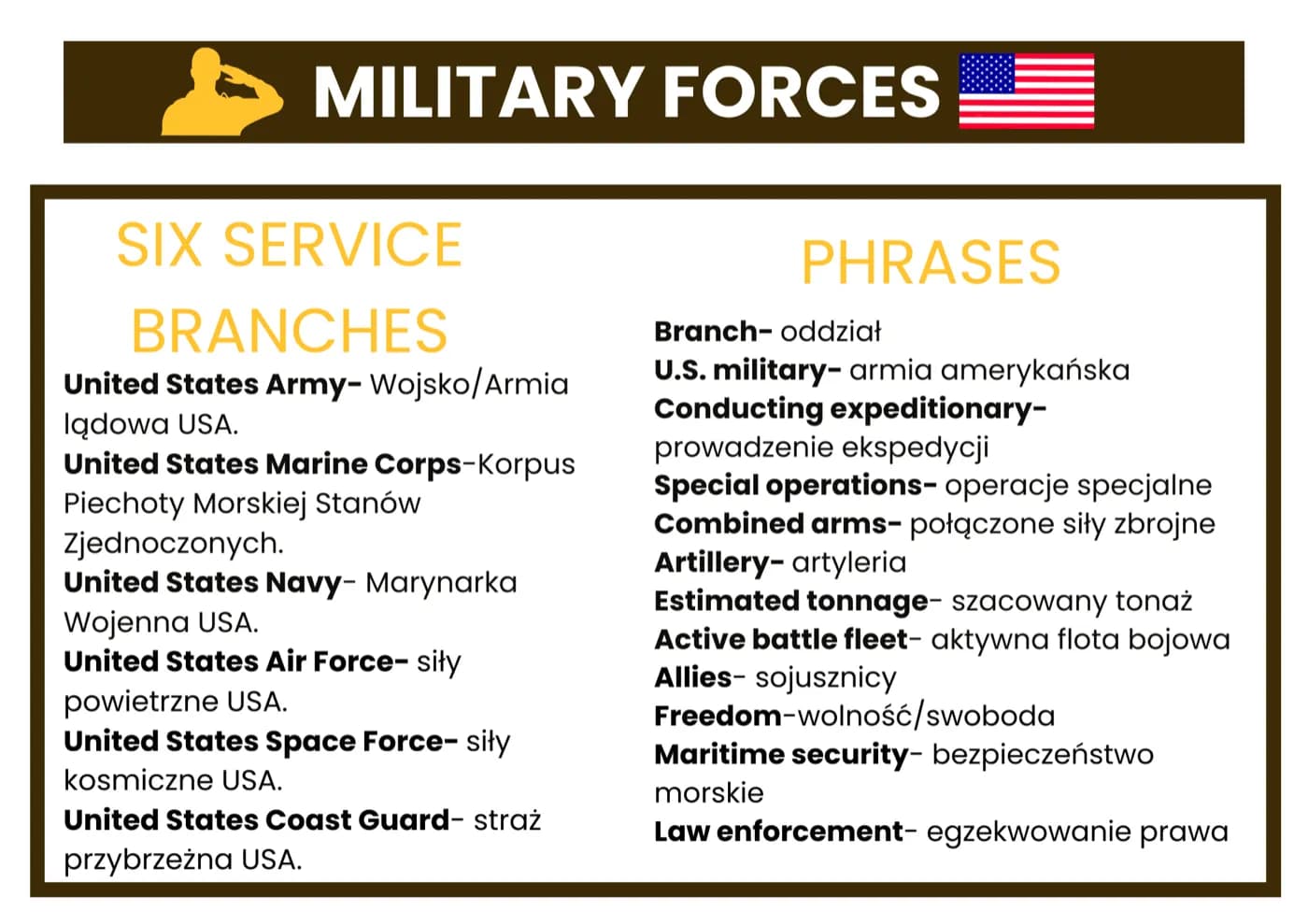
The last part of this lesson looks at the different military branches and their roles. Here is what the US military is made up of today. It has six service branches:
- United States Army: the land service branch, and the oldest and most senior branch of the US military.
- United States Marine Corps: also called the United States Marines, the maritime land force branch. It conducts expeditionary operations with combined arms, using its own infantry, artillery, aviation and special operations forces.
- United States Navy: the largest and most powerful navy in the world. As of 2015, the estimated tonnage of its active battle fleet alone was greater than the next 13 navies combined, including 11 US allies or partner nations.
- United States Air Force: as well as running independent air operations, it provides air support for land and naval forces and helps recover troops in the field.
- United States Space Force: the smallest US armed service, which provides the United States with freedom of operation in, from and to space.
- United States Coast Guard: the branch responsible for maritime security, search and rescue, and law enforcement.
That's all for this lesson. War isn't an easy subject, but it's important to know the key terms used to describe battles and the news that reaches us. We also revised the Present Simple, which we use for daily routines, and looked at the structure of the US armed forces, the largest military in the world today.